
Wet vs Dry Cat Food: Which Is Better for Your Cat?
Compare wet and dry cat food, including hydration, convenience, cost, kitten feeding, and when to ask a vet.
Use this guide to compare tradeoffs, avoid common feeding mistakes, and know when food decisions should stop and veterinary assessment should begin.
Use this guide
Decision support
Intent
Education-first
Medical caution
Included
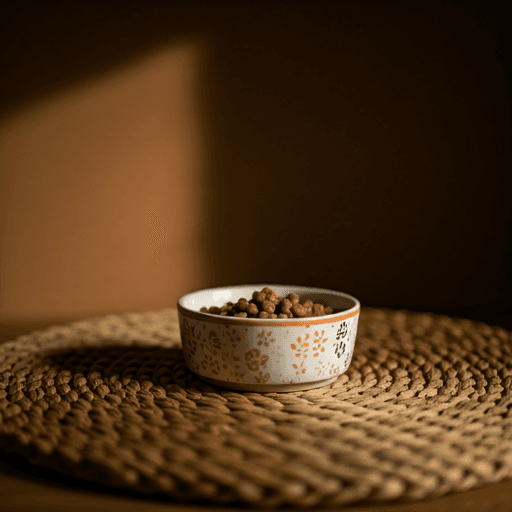
Feeding decisions work best when they balance routine, hydration, and warning-sign awareness.
Routine matters
Consistency, storage discipline, and life-stage fit usually matter more than chasing one perfect food.
Food is not diagnosis
If symptoms escalate, stop experimenting with diet and switch to medical triage.
How to use this guide
- Use this as educational decision support, not as a product-ranking shortcut.
- Adjust decisions based on age, medical history, hydration pattern, and vet guidance.
- This page is education-first.
Safety boundary
Food choice can support care, but it should not delay action when appetite loss, repeated vomiting, diarrhea, urinary issues, or sudden behavior changes show up.
Trust notes
Full food guide
The content below is still sourced directly from the published MDX file. This redesign only changes the shared reading experience for food detail pages.
Both wet and dry cat food can have a place in a cat's diet. The better choice depends on your cat's age, hydration, health context, budget, daily routine, and what your veterinarian recommends.
Quick answer
Wet food is usually better for hydration. Dry food is usually easier to store and often more convenient for routine feeding. Many cats do well with a combination when portions are managed carefully.
If you are deciding between wet and dry food, avoid the "one perfect option for every cat" mindset. A practical feeding plan should fit your cat's life stage and your household routine while staying safety-conscious.
What is wet cat food?
Wet cat food is usually packaged in pouches, trays, or cans and has high moisture content. This moisture is one reason many veterinarians and cat parents consider wet food useful for cats that drink less water.
Common characteristics:
- softer texture,
- stronger smell and taste appeal for some cats,
- faster spoilage once opened,
- higher storage discipline after opening.
Some cats that are selective about meals may accept wet food more easily than dry food, but acceptance always varies by individual cat.
What is dry cat food?
Dry cat food typically has much lower moisture content and a longer shelf life before opening. It is popular because it can be measured quickly and stored more easily.
Common characteristics:
- easier dry storage,
- often easier for routine portioning,
- usually more budget-friendly per meal than wet food,
- requires consistent fresh-water access because moisture is lower.
Dry food can absolutely be part of a safe diet, but hydration should be monitored actively.
Wet food benefits
Wet food may offer practical advantages in many homes:
- helps hydration because moisture content is high,
- softer texture may be easier for some kittens or senior cats,
- can be useful for picky eaters,
- may support cats that do not drink enough water on their own.
Hydration support is one of the strongest reasons wet food is often included in a feeding plan.
Dry food benefits
Dry food may offer practical advantages too:
- convenient for busy schedules,
- easier to measure consistently,
- longer shelf life before opening,
- often lower cost per meal,
- can fit households where storage space is limited.
Convenience matters because sustainable routines are usually better than ideal plans that owners cannot maintain.
Wet food limitations
Wet food is not automatically better in every situation.
Limitations include:
- can be more expensive over time,
- spoils faster after opening,
- needs careful storage and hygiene,
- can be messier in some homes.
In hot weather, opened wet food should not be left out for long periods.
Dry food limitations
Dry food has tradeoffs too:
- low moisture compared with wet food,
- some cats on dry-only routines may drink less than ideal,
- not always a complete answer for every cat's hydration needs,
- quality can vary significantly across products.
Dry food is not "bad by default," but it should be used with hydration awareness.
Can you mix wet and dry food?
Yes. Many cat parents use both.
A mixed approach can help combine:
- hydration support from wet food,
- routine convenience from dry food.
Mixing safely
When combining wet and dry food, portion control matters. Avoid adding both as full independent meals without adjusting total intake.
The goal is total daily nutrition and calorie balance, not just food type variety.
Which is better for kittens?
Kittens need kitten-specific food for growth and development. Wet kitten food can be easier to chew early on, while dry kitten food may be introduced gradually based on age and acceptance.
Do not use adult maintenance food as the main diet for young kittens.
Read: Best Kitten Food in India
Which is better for Indian cat parents?
Indian households often balance nutrition decisions with climate, storage, and budget realities.
Practical India-focused factors:
- Budget planning: dry food may be more affordable in many plans.
- Storage: dry food is easier to store in many apartments.
- Heat and spoilage: wet food needs closer meal-time handling in warm weather.
- Water intake: wet food can support hydration for low-drinking cats.
- Multi-cat homes: convenience and cost can push owners toward mixed feeding plans.
- Lifestyle fit: apartment routines often work best with predictable measured meals.
No one factor should decide everything. Choose a plan you can maintain safely.
When to ask a vet
Contact a veterinarian promptly if your cat has:
- appetite refusal,
- repeated vomiting,
- chronic diarrhea,
- weight loss,
- urinary issues,
- sudden major appetite or behavior changes.
Related warning guides:
If feeding changes and symptoms appear together, prioritize medical evaluation over more diet experimentation.
Simple decision table
| Situation | Wet food may be better | Dry food may be better | Mix may be better |
|---|---|---|---|
| Hydration concern | Yes | Usually not enough alone | Often useful |
| Strict budget | Sometimes harder | Often easier | Possible with planning |
| Busy routine | Sometimes less convenient | Often convenient | Common compromise |
| Picky appetite | Often helpful | Sometimes less accepted | Often practical |
| Portion control | Requires attention | Easier to measure | Requires planning |
Use this table as a starting point, not a universal rule.
Related guides
- Cat Food Guides Hub
- Best Kitten Food in India
- Can Cats Drink Milk?
- Cat Not Eating
- Cat Vomiting
- First 7 Days With a New Cat
- Medical Disclaimer
FAQs
Is wet food better than dry food for cats?
Wet food is often better for hydration, but dry food can still be part of a balanced plan. The better choice depends on your cat and your routine.
Can cats eat only dry food?
Some cats do, but hydration monitoring is important. If your cat drinks poorly or has health concerns, discuss feeding strategy with a veterinarian.
Can I mix wet and dry cat food?
Yes. Many households do this. Keep portions controlled so total daily intake remains appropriate.
How often should I feed wet food?
It depends on life stage, appetite pattern, and total feeding plan. Follow label guidance and veterinary advice for your cat's context.
Is wet food good for kittens?
Kitten-specific wet food can be useful, especially in early stages. Always prioritize kitten-formulated food rather than adult food.
Is dry food bad for cats?
Not necessarily. Dry food is not automatically bad. The key is quality, portion control, hydration support, and life-stage fit.
Medical disclaimer
This guide is for educational purposes only and does not replace professional veterinary advice.
If your cat has severe symptoms, sudden changes, pain, breathing trouble, inability to urinate, repeated vomiting, or appears very weak, contact a veterinarian urgently.
This guide is educational and does not replace veterinary advice. If your cat has appetite loss, vomiting, diarrhea, urinary problems, weight loss, or sudden behavior changes, consult a veterinarian.
Read next
These related food guides continue the same decision-first approach without switching into thin product-page behavior.